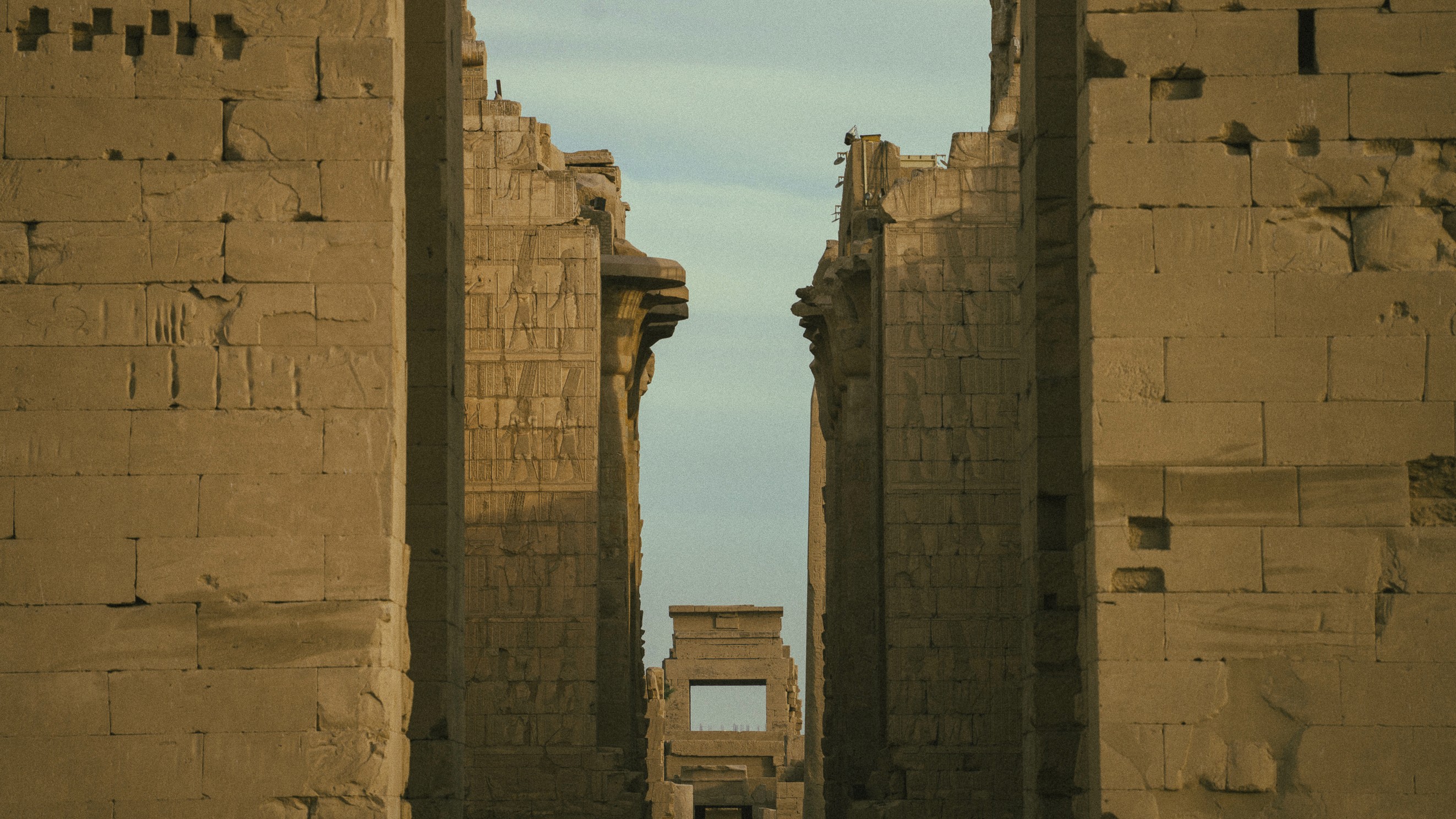
The ancient Egyptian city of Thebes or modern day Luxor is home to the one of the widest range of open-aired monuments in the world. In one day you can cover a broad expanse of Egyptian history starting from the Pharaohs to the Greek and Roman conquerors.
The quality and scale of the monuments is stunning.
The first stop was the Karnak Temple seen in "entrance", it is one of the most frequently visited complexes in Egypt outside of the Giza Pyramids. It has had contributions (in structures and monuments) from all of the rulers of the various periods of Egypt.
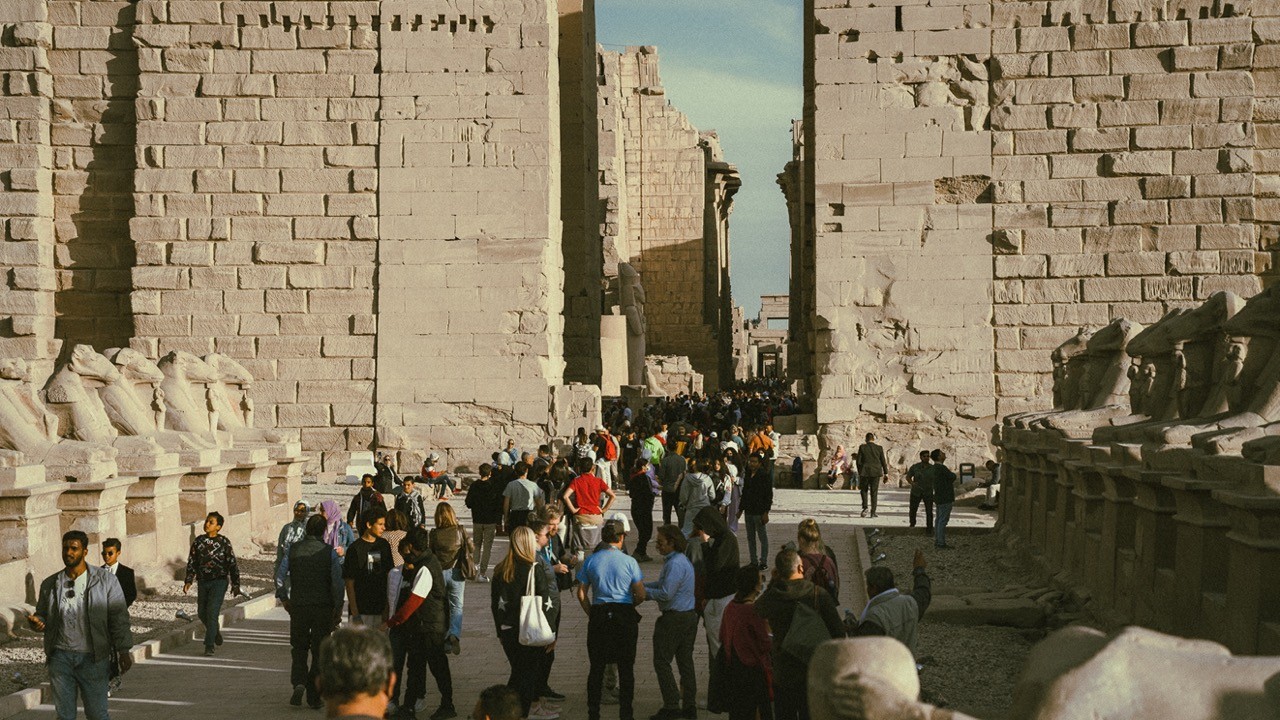
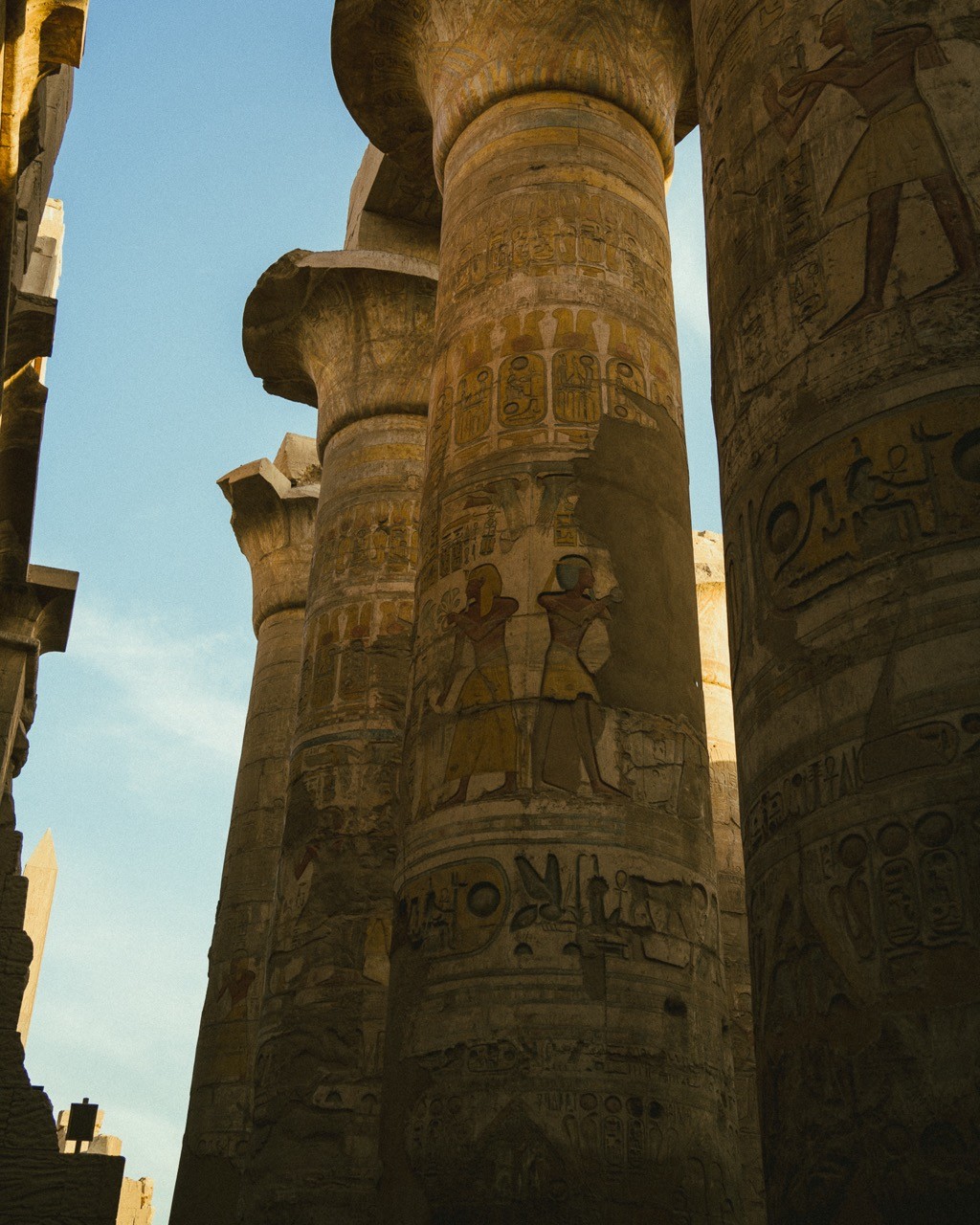
One of the most striking sights is seen as you walk through the main facade, a forest of 134 "great columns". Each has incredibly detailed hieroglyphs with the colors still visible.
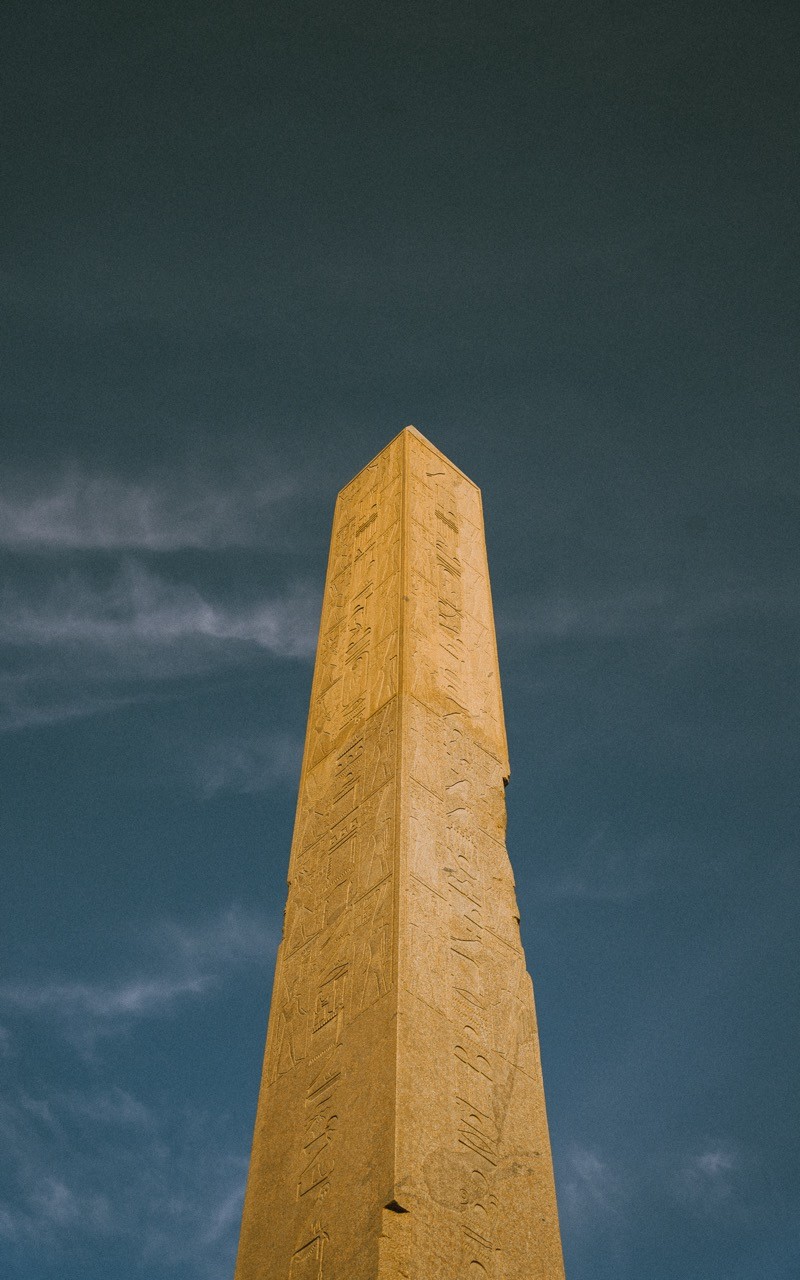
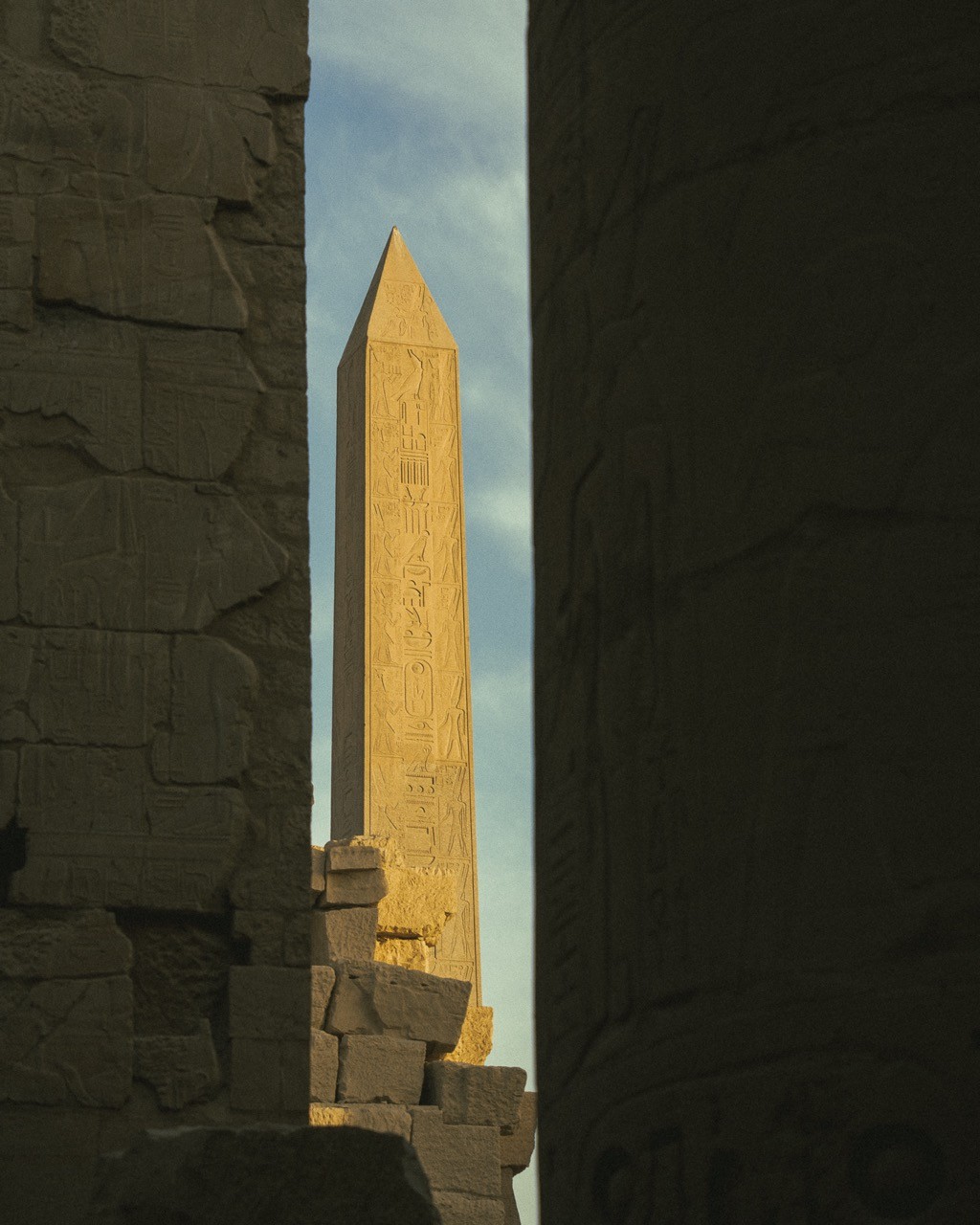
Past the Great Columns is "the obelisk of hatshepsut". One of the only two Obelisks that still remain on this site, the rest have been looted and shipped across the world.
The intricacy and preservation of the great columns is stunning, you can still see the colors on the open-air heiroglyphs.
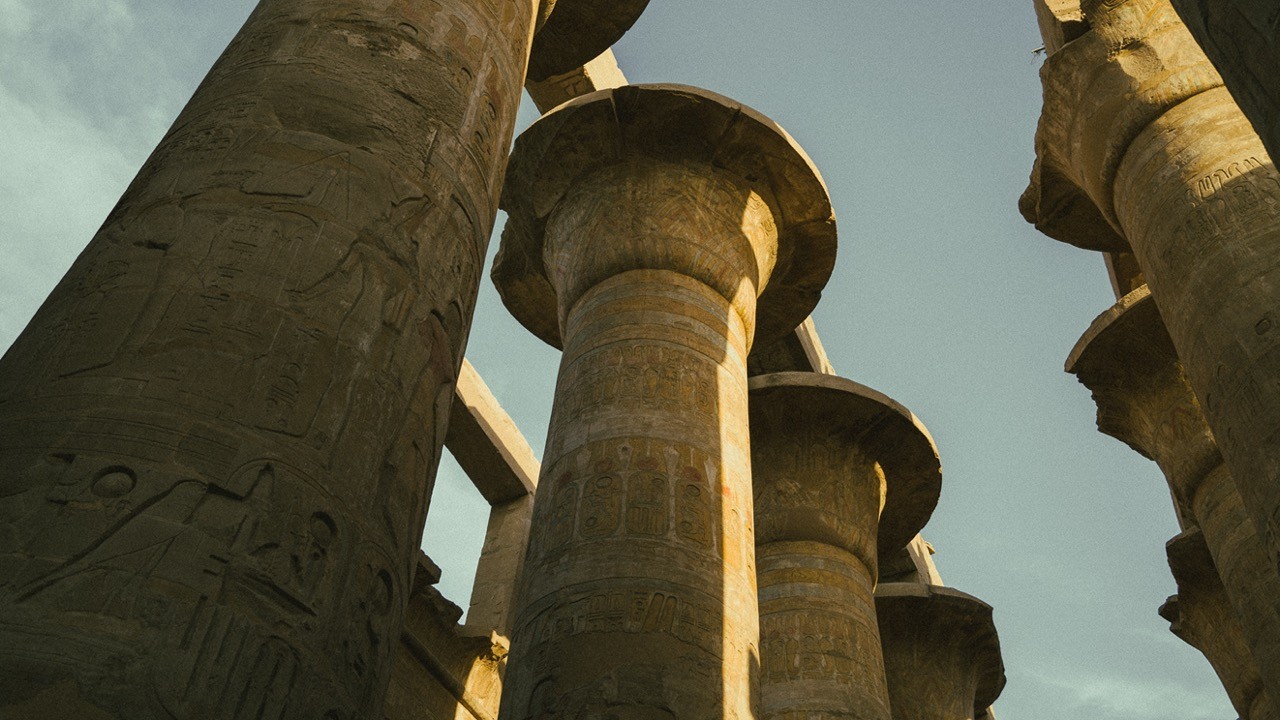
These columns are topped with open papyrus blossom capitals and inscribed by Ramesses II.
All of my photos are available for purchase at Darkroom. If you want to request a specific photo, shoot me an email or Insta DM.